
Search for:
Cybersecurity Awareness Month – Updating Mobiles and Tablets

Mobiles and tablets can be made to last longer thanks to hardware protection such as cases and screen protectors, are you doing the same with software updates?

Why do updates matter?

Updating mobile software on the store and in phone settings is something that can be easily overlooked however is as important as ever due to how often we use them and the type of information we’re now using them for.

A device that isn’t kept up to date can stop businesses from getting certified with Cyber Essentials.  It can also be the reason why cyber insurance claims are rejected if someone was breached or hacked.

How to update the operating system/system software

How you keep mobile and tablet devices up to date slightly vary from device to device if doing it manually.  

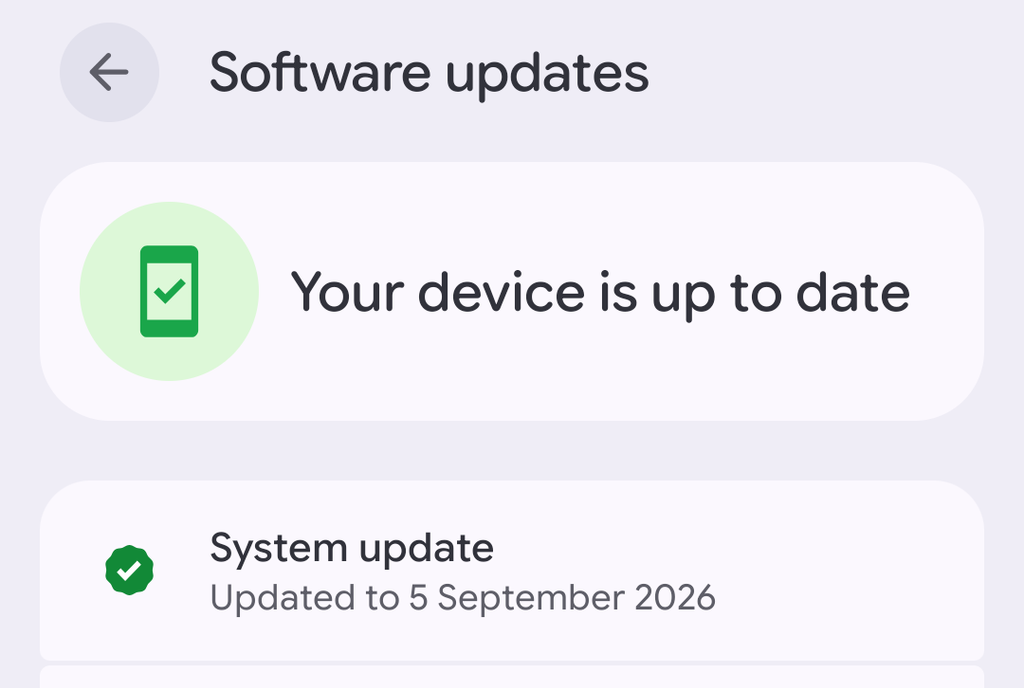
To update Android the first place to check is Settings, some devices need you to then go into System depending on the model before you see Software/System Updates. 
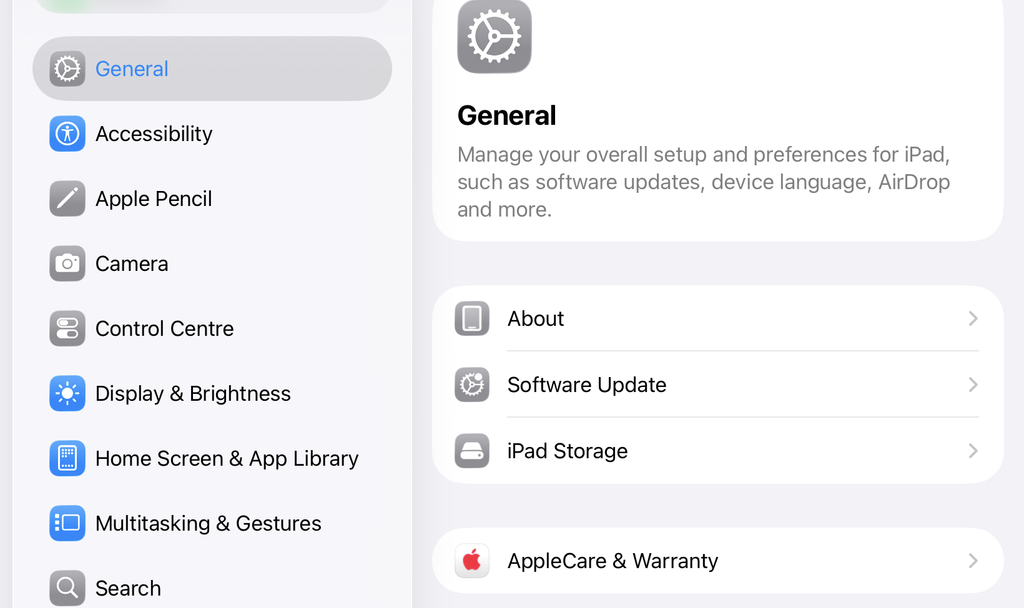
For iPhone/iPad go to Settings then General and you should see the option for Software Update.
How to update mobile apps

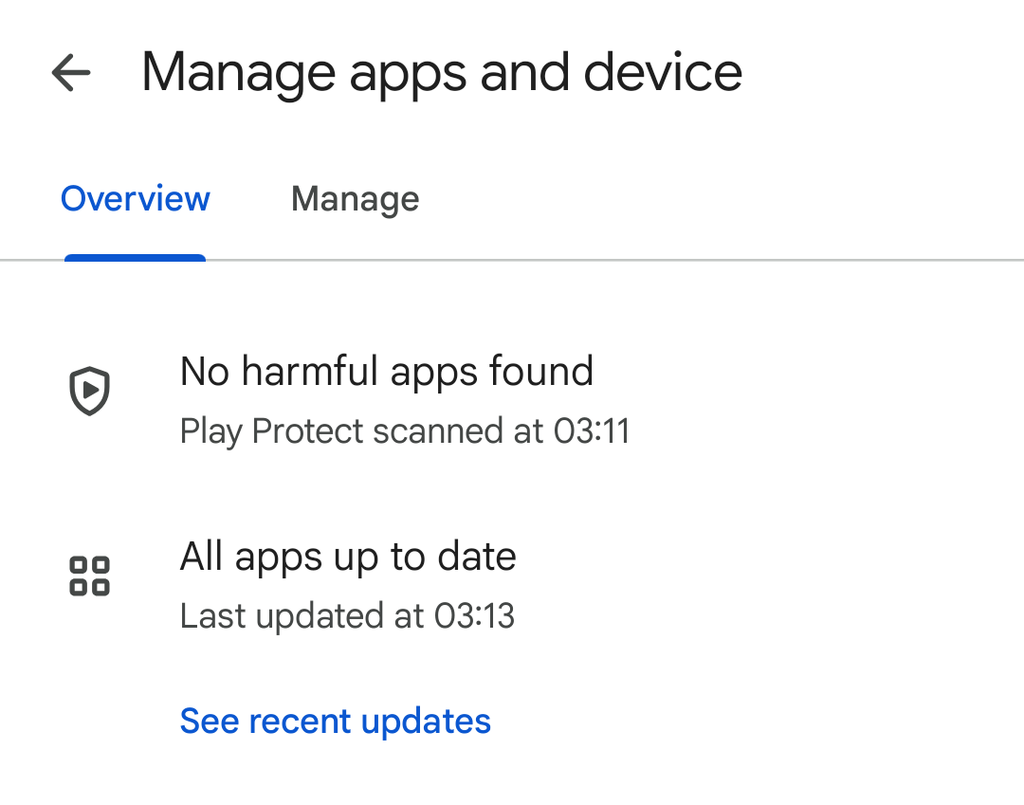
To update Android apps go to the Play Store and you should see your account initial in the top right corner, tap that and find Manage Apps and Devices in the menu, it should tell you straight away how many apps need updating. 
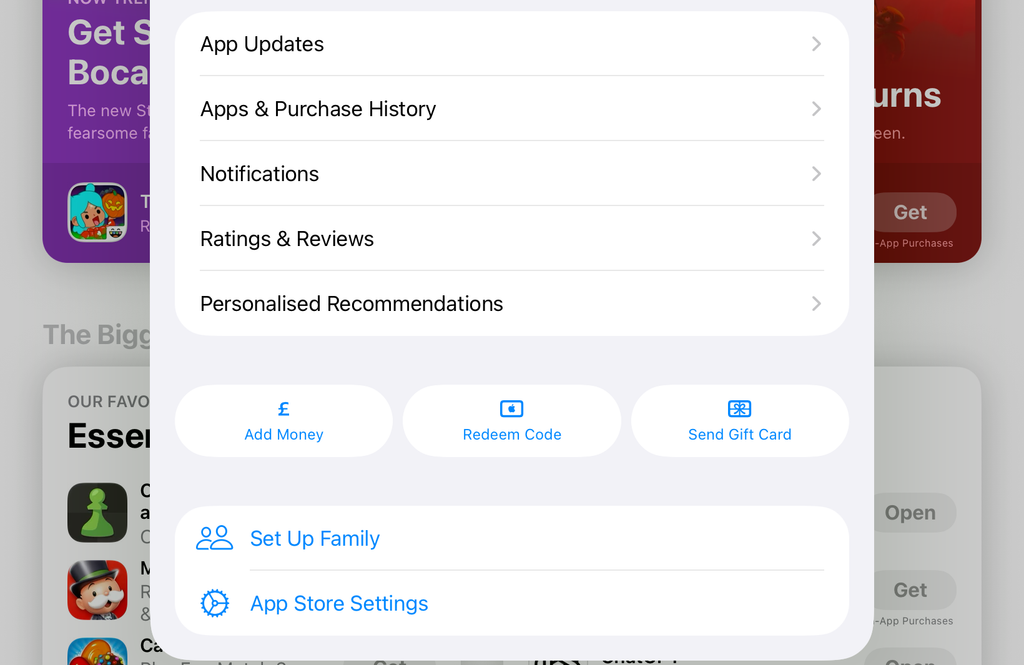
To update iOS apps go to the App Store tap your initials in the top right corner, tap App Updates and if anything needs updating it should be as simple as tapping Update All.
Networking Events for October

There’s the potential for a lot of networking in October and the chance to meet in person.

Bude & Greater Area Chamber – Thursday 8th October

The start of a double header, Bude & Greater Area Chamber will be hosting their final breakfast meeting of the year at Elements in Bude from 7:45am.

Booking link can be found here

Cornwall Business Show – Thursday 8th October

After Bude it’s straight to the Royal Cornwall showground near Wadebridge.

Devon Chamber Business Show – Wednesday 14th October

Devon Chamber will once again be at Plymouth Life Centre near Home Park for the Devon Business Show.

There’s more in the pipeline and I’ll add them here once confirmed.

When Reassurance About A Breach Isn’t Proactive Enough

“There is no action you need to take. We would urge you to be particularly cautious of unexpected emails, calls or text messages claiming to be from us. We will never contact you unexpectedly to ask for payment or banking information.”

Except that’s just going to be the tip of the iceberg.

What happened?

Manchester Airports Group (which also manages East Midlands and Stanstead airports) issued a statement after approximately 8.7 million passengers data had been stolen in a cyber attack at the end of August.

Why is this important?

It’s not just going to be e-mails or nuisance calls from hackers posing as the Manchester Airports Group, apparently the group responsible for the hack are now demanding payment for the return of the data (which MAG are refusing to pay). Regardless of payment this information could end up on the dark web – if it hasn’t done so already – and whoever uses the list of customer information could do a lot of bad things with that info:

  • Pose as other organisations “in partnership” with MAG and trick people on the list into loading fake websites or apps to “verify their account” or “correct an issue with their booking”.
  • Use the number plate and postcode information to see what cars are potentially worth stealing. 
  • Cross reference the e-mail addresses on the list with other information on the dark web to login to other accounts of interest (for example ransomware attacks on e-mail, social media or productivity app accounts such as Microsoft 365 or Google Workspace).  Alternatively they could also launch brute force/dictionary attacks on various portals to pick out logins with weak passwords and no MFA or passkeys.

What YOU should do next:

Reassurance is one thing, taking precautionary steps is the way forward and thankfully this is covered by a lot of the basics.

If using passwords make sure they are strong (combination of uppercase, lowercase, numbers and special characters), long (more than 12 characters ideally), unique (don’t reuse the password with other login pages) and difficult to guess (randomly generated are good). Commonly used passwords that may look compliant like ILoveY0u or [insert football club name here]123 appear frequently on password lists found on the dark web.

Lock your car when not in use, don’t leave valuables in it when not attended.

If someone phones you unexpectedly and asks you to urgently login to something write down the details, end the call and a bit of research should be able to tell you if it’s legitimate or not. If you’re not sure seek advice from trusted contacts.

Avoid clicking on links in unexpected messages asking you to login to something until you can verify who it’s from (check e-mail address not just senders name), check any links that may ask you to go to a login page (in other words a fake landing page) and double check any attachments that maybe included (HTML and other executable files are a no-no, zip files and document files treat with caution). If you’re not sure yourself please be cautious before actioning or replying and seek advice from a trusted contact.

Update To Website And Booking Calendar

Confession time I’ve been afraid of touching the website for a while despite not being happy with it. Even techies can feel uneasy tinkering with settings from time to time. Truth is I initially rushed through the website, realised I wasn’t happy with it then was scared to do anything drastic with it in-case I made it worse. What didn’t help was I’ve been focussing too much on trying to setup a test platform or staging area to try out new ideas and get more comfortable with WordPress.

So what changed? Well truth be told this isn’t the only website I’ve been trying to update for a while, if you follow me on LinkedIn you’ll also know I’m one of the coaches of the Bude U9s rugby team. I’ve also been trying to wrestle with their website for a while as it’s not been updated for a few years (more than one page mentions the 2020/21 season as being the current one). After getting familiar with how that works and trying out a few things I’ve managed to get feel better with what I can do with it. Is it ready? Not yet unfortunately however I will post a link when it is. In the meantime it’s given me the extra encouragement I need to sort my own site out and although some work still needs to be done this is still a massive improvement on what I started off with. Hopefully the new layout will also make it easier for you to find what you need that bit quicker.

Something I’m also making sure of is including the link to my calendar so it’s easier to check availability. Previously I’d only had the link to this on the bottom of my emails so hopefully it’ll make it easier to get hold of me if you want to discuss what your options are for IT support or upgrades.

Why You Shouldn’t Ignore the Update Button In Your Browser


A couple of weeks ago I was on a monthly update webinar with Action1 and they pointed out something which even surprised themselves when they read it out loud. Over the past month there were 1200-1300 vulnerabilities detected for the Chrome and Edge (chromium based) web browsers alone. It’s also worth pointing out earlier in the year there were news reports of approx. 250 vulnerabilities detected for Firefox in a single week.

The web browser is the front door to the online world for a lot of people and so needs to be treated like the first line of defence to reduce your chances of being hacked.

The AI driven world we’re steering towards is going to be a double edged sword and as far as cyber security is concerned it’ll create at least as many problems as it’ll solve. A lot of the advice about preventing problems by having the basics covered however will continue to remain the same.

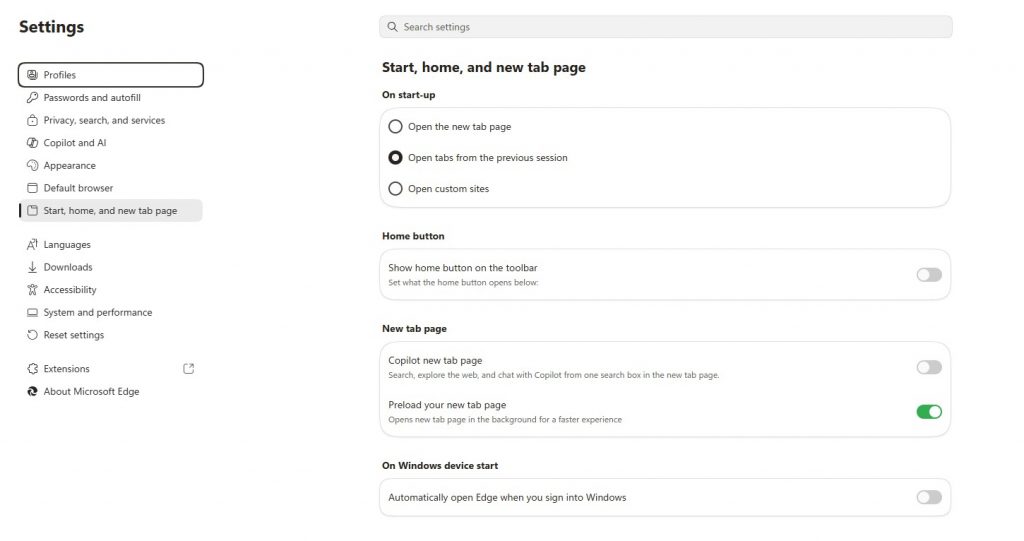
In this case if you see the Update button at the top of your browser – regardless of what OS platform you’re running on – please take a minute to click Update and let it do its thing.

If you’re worried about losing the work you have open check your Settings in the browser so the startup option is set to either:

> Open tabs from the previous session
> Continue where you left off

QR Codes Are Handy IF They Are Genuine

As the weather’s getting warmer and the days are getting longer you’ll likely be taking more days out especially while the kids are out of school. Something to be wary of while out and about is being encouraged to use QR codes to go to payment websites or connect to public Wi-Fi.

QR codes are easy to create, print and stick on signs (often over legitimate codes to avoid detection).  Scammers especially like using car parks to trick unsuspecting drivers into using fake QR codes to take them to a temporary website, get their payment details and use it later to avoid suspicion (similar to how phishing e-mails work).  To add insult to injury some drivers have even received fines for not paying for their parking space. 

Try using official parking apps if you’re unable to pay in cash or use contactless on a machine. Take a few seconds to double check what you’re looking at and make sure that there’s nothing suspicious on screen. If you have scanned a QR code and are doubtful it’s genuine please try to report it straight away by another method.

#staysafe and enjoy your day out. 

Are You Ready For A Break In The Cloud?

One of the takeaways from 2025 is the realisation that when certain online services are disrupted then businesses will be affected until those services are running as normal again (think what happened with AWS and Cloudflare briefly over the autumn).  

A news story from the past week is a real life example of something a lot of us in the tech world has previously feared which – if it was successful – can make that disruption more impactful for longer than just a few hours depending on where it happens (https://www.bbc.co.uk/news/articles/c62040np372o) . 

Online services are great when they are working however have you got a contingency plan in place if they become unavailable?  Backup Continuity Plans (or BCP for short) and Disaster Recovery (DR) planning can help with this if reviewed regularly. It won’t necessarily guarantee you’ll be back in a BAU (Business As Usual) state straight away however it’ll give you guidance on what steps are needed to keep vital services running while you are waiting for “normal service” to resume.   

These exercises aren’t just recommended for online technology, they are also good for other dependencies you might have for the business to run. For example: 

  • Car/van troubles,  
  • Utility outages such as electricity or water availability 

Running through these exercises can be done in various forms such as an online scenario or in-person table-top exercise for an hour every few months. Not only will this help with knowing what to do in case of a failure that’s out of your hands it can also help with insurance, compliance or tender requirements.